Confronting the environmental and geopolitical ripple effects of illegal mining
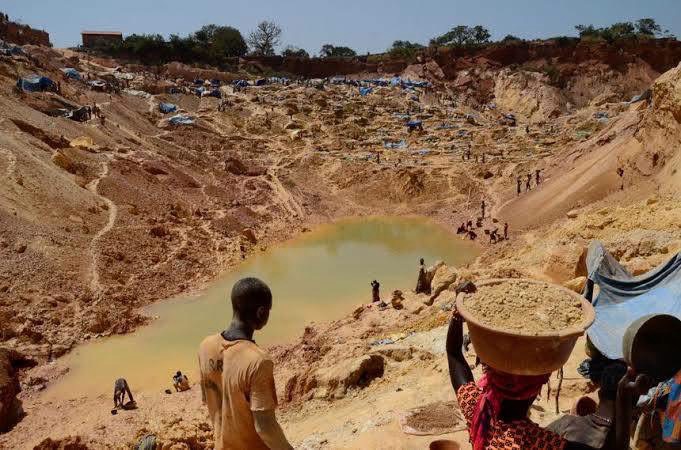
Across West Africa, the clandestine pursuit of gold is sparking a growing crisis that extends far beyond the boundaries of a single nation. While Burkina Faso grapples with internal and regional challenges, there is increasing scrutiny of its citizens who participate in illegal gold panning in neighboring countries. The environmental damage left in their wake polluted rivers, deforested landscapes, and scarred farmlands underscores a critical question: what are the true costs of prioritizing profit over ecological and communal responsibility?
The environmental toll is undeniable. Illegal mining activities result in severe soil degradation, chemical contamination of water sources used for drinking and agriculture, and long-term ecological disruption that undermines local livelihoods. Families who once relied on fertile land now face food insecurity, while ecosystems are pushed to the brink of collapse. The consequences of these actions do not respect borders they reverberate through food chains, public health, and economic stability, affecting entire regions.
Diplomatic tension and collective accountability
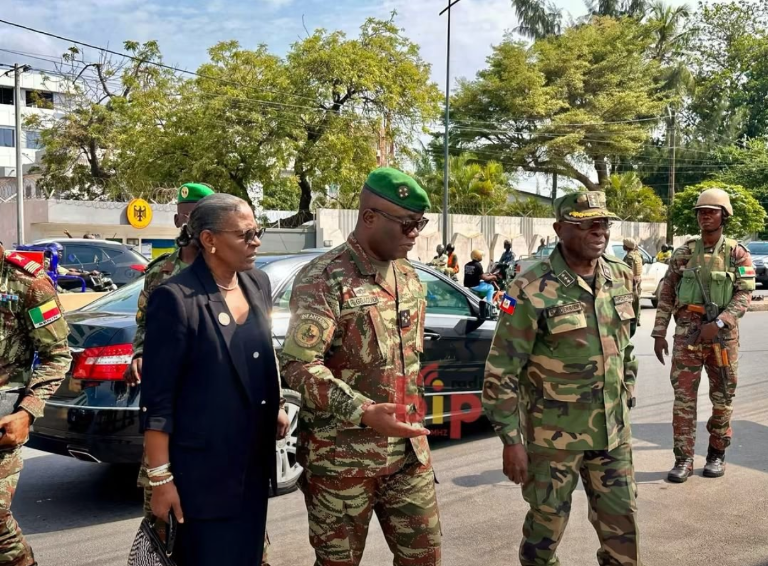
The issue is not merely environmental; it has become a matter of diplomatic concern. When Burkinabè nationals are expelled from neighboring countries such as Benin, Ivory Coast, or Ghana for involvement in illegal mining, the response from their government often centers on citizen protection. While this stance is understandable, it must not overshadow the legitimate rights of affected nations to enforce their environmental laws and protect their natural heritage.
Criticism of expulsions or enforcement measures in neighboring states reflects a paradox: national pride in defending citizens must be balanced with recognition that those same citizens may have contributed to environmental harm abroad. The principle of mutual respect requires that one nation’s commitment to protecting its own resources must extend to recognizing the rights of others to do the same.
What happens when consequences cross borders?
The hypothetical scenario is increasingly becoming a reality. As illegal mining activities expand, the risk of similar practices infiltrating Burkina Faso’s own territory grows. Local communities have begun to voice concerns over pollution and land degradation. If such threats materialize on home soil, how will Burkinabè citizens react when their farms and water supplies are compromised by outsiders? Would they accept such destruction without protest?
This reflection is essential. The outrage felt when one’s own land is exploited should mirror the empathy extended to others who endure the same injustice. Environmental responsibility cannot be applied selectively it is a universal obligation. The same ecosystems that sustain rural livelihoods in Benin or Ivory Coast are not fundamentally different from those in Burkina Faso. Each region deserves the same level of protection and respect.
Toward shared solutions and sustainable practices
Rather than framing this as a conflict between nations, the focus should shift toward shared accountability and coordinated action. Governments must reinforce bilateral and regional agreements that deter illegal mining, promote cross-border law enforcement, and support alternative livelihoods for affected communities. Investing in formal mining sectors and sustainable economic opportunities can reduce the appeal of clandestine operations.
Civil society, traditional leaders, and local organizations also play a vital role in raising awareness and advocating for environmental justice. When communities understand the long-term consequences of illegal mining both at home and abroad they become powerful advocates for change.
The path forward demands maturity from all stakeholders. While defending citizens remains a core responsibility, it must coexist with a commitment to regional solidarity and ecological stewardship. Respecting the lands of others is not only a moral imperative it is a strategic one. As the region faces growing environmental pressures, only through collective action can West African nations safeguard their shared future.
By Ousmane Tandja — Journalist